Water, Wastewater & Environmental Water Testing
Precision Chemical, Trace Metal & Microbiological Evaluation for Industrial, Drinking & Effluent Streams
Water quality directly impacts industrial manufacturing compliance, employee health, and environmental sustainability. From raw borewell supply and pharmaceutical generation loops to industrial discharge effluent, our laboratory provides complete multi-parameter characterization. We deploy ICP-OES for trace toxic metals, automated BOD incubators, closed reflux COD digesters, and dedicated Class 100 laminar airflow microbiology stations for coliform and pathogen detection.
About Water Testing
Satvam Research operates an advanced water and environmental analytical division in Vapi, Gujarat, delivering full physicochemical, toxic heavy metal, and microbiological testing. We test drinking water per IS 10500:2012, packaged natural mineral/drinking water (IS 13428 / IS 14543), pharmaceutical Purified Water / WFI, and industrial wastewater (ETP/STP effluent) per CPCB and GPCB pollution control standards.
Testing Parameters & Methodologies
Conducted in strict compliance with official national and international monographs
Potable & Drinking Water Analysis (IS 10500:2012)
Full mandatory and optional parameters verifying human safety and regulatory potability.
Industrial Effluent & Wastewater (ETP / STP)
Discharge compliance for industrial estates, CETP discharge, and inland surface waters.
Pharmaceutical Process Water (Purified Water & WFI)
High-purity validation for pharmaceutical manufacturing and sterile formulations.
Borewell, Groundwater & Boiler Feed Water
Assessing scaling, corrosion potential, and geological water purity.
Qualified Instrumentation Deployed
Governed under 21 CFR Part 11 computerized compliance and complete IQ/OQ/PQ records
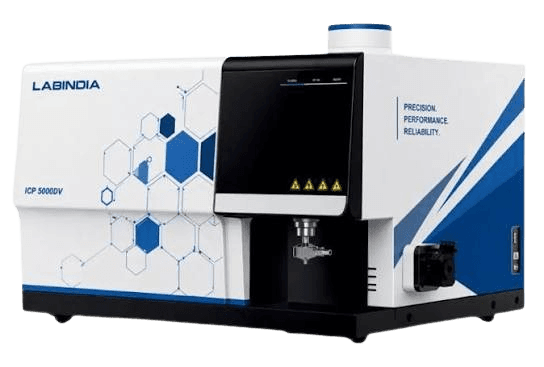
Dual-View ICP-OES Spectrometer
Simultaneous trace heavy metal detection (As, Pb, Cd, Hg, Cr, Cu, Zn, Ni) at sub-ppb levels.
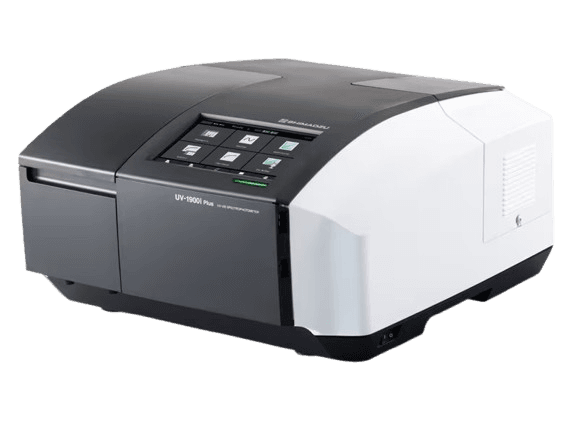
Double-Beam UV-Vis Spectrophotometer
Colorimetric determination of Nitrates, Phosphates, Fluoride, Phenols, and Hexavalent Chromium.
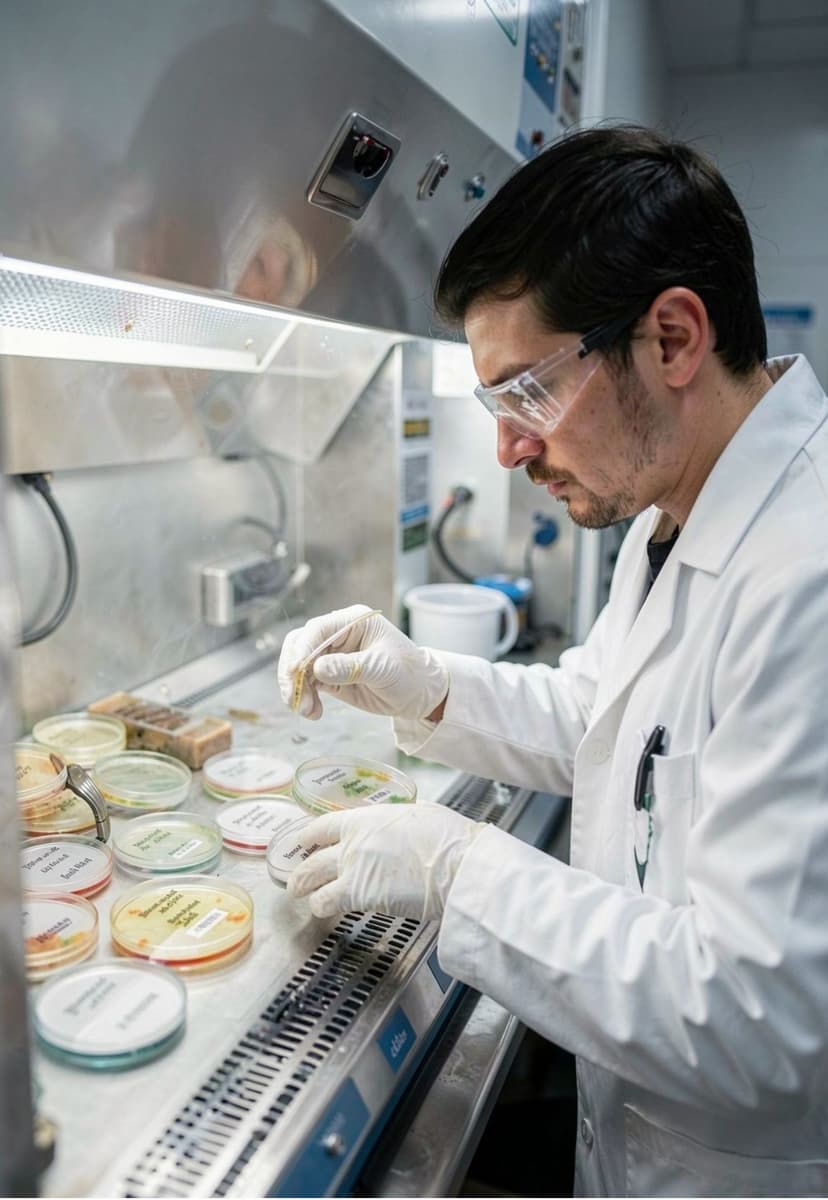
Microbiological Class 100 Biosafety Suite
Sterile membrane filtration and incubation for Coliforms, E. coli, and total bacterial counts.
Automated Precision COD Digestor & Titrator
Closed reflux digestion and automated titration for high-throughput effluent COD determination.
Regulatory Standards & Compendia
Authorized procedures matching national and international testing guidelines
Sample Submission Guidelines
Dispatch criteria ensuring analytical integrity upon receipt at Vapi lab
Technical & Regulatory Inquiries
Can Satvam Research collect water samples directly from our industrial plant?
Yes. Our logistics team provides on-site sample collection across Vapi GIDC, Sarigam, Umbergaon, Daman, Silvassa, and surrounding industrial belts using temperature-controlled cold boxes.
What is the difference between Acceptable Limit and Permissible Limit in IS 10500:2012?
The 'Acceptable Limit' is the desirable threshold where water is completely safe and pleasant. The 'Permissible Limit in Absence of Alternate Source' is the maximum allowable relaxation point. Our reports clearly highlight both standards.
How frequently should pharmaceutical facilities test Purified Water loops?
According to cGMP and pharmacopoeial guidelines, critical loop points should undergo daily or weekly chemical and microbiological monitoring, with comprehensive quarterly trend analysis.
Initiate Your Water Testing
Contact our laboratory in Vapi to review testing protocol requirements, discuss sample collection, or request priority processing.