Residual Solvents & Volatile Organics by Headspace GC
Organic solvents used in pharmaceutical API synthesis, extraction, and formulation processes cannot be completely removed by manufacturing techniques. Satvam Research validates and executes headspace gas chromatographic methods to quantify residual volatile contaminants, including Residual Ethylene Oxide (ETO), Ethylene Glycol, Diethylene Glycol, Methanol, Acetonitrile, and DCM.
About Residual Solvent Analysis (GC/GCHS)
Satvam Research performs high-sensitivity residual solvent profiling and volatile organic analysis complying with ICH Q3C and USP <467>. Utilizing Shimadzu Nexis GC-2050 and GC-2014C gas chromatography systems with automated Headspace samplers and FID/TCD detectors, we quantify Class 1 (carcinogenic), Class 2 (toxic), and Class 3 (low toxicity) solvents down to ppm and ppb thresholds.
Key Capabilities & Parameters
Conducted strictly in accordance with official compendial monographs and validated study protocols
Qualified Instrumentation Deployed
21 CFR Part 11 compliant hardware configurations governed by full IQ/OQ/PQ qualifications
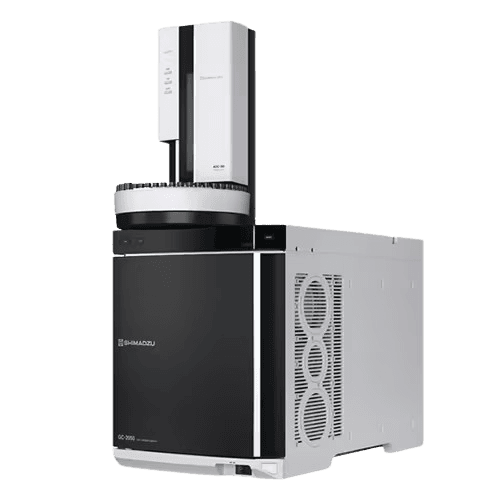
Gas Chromatograph with Headspace
Automated static headspace sample vaporization with high-sensitivity FID and TCD detection.
Regulatory Framework & Standards
Testing protocols aligned with domestic and global health authority requirements
Sample Submission Guidelines
Dispatch specifications for guaranteed analytical integrity
Technical & Regulatory Inquiries
What is the difference between USP <467> Procedure A and Procedure B?
Procedure A is an identification and screening method using a G43 (6% cyanopropylphenyl / 94% dimethylpolysiloxane) column. If a solvent exceeds the limit, Procedure B on a G16 (polyethylene glycol) column of differing polarity confirms the identity, followed by Procedure C for exact quantitation.
Initiate Your Residual Solvent Analysis (GC/GCHS) Testing
Contact our analytical laboratory in Vapi to review your protocol requirements, discuss sample shipping, or schedule a facility audit.