Agrochemical & Pesticide Testing (CRO Services)
Contract Research & Quality Control Testing for Technical Grade Actives & Formulated Crop Protection Products
Crop protection formulations—ranging from Emulsifiable Concentrates (EC), Suspension Concentrates (SC), and Wettable Powders (WP) to Water Dispersible Granules (WDG)—demand specialized analytical validation to confirm chemical stability, physical dispersion, and field effectiveness. Our technical chemists bring extensive experience in handling complex active ingredients, pyrethroids, organophosphates, and triazole fungicides.
About Pesticide & Agrochemical Testing
Satvam Research delivers dedicated contract testing and analytical research (CRO) services for agrochemical manufacturers, pesticide formulators, and technical active ingredient producers. Located in the chemical industrial corridor of Vapi, Gujarat, we perform active content assay (HPLC/GC), complete CIPAC physicochemical characterization, accelerated storage stability (CIPAC MT 46.3), 5-batch analysis support, and container compatibility studies aligned with Central Insecticides Board & Registration Committee (CIB&RC) standards.
Testing Parameters & Methodologies
Conducted in strict compliance with official national and international monographs
Active Ingredient (AI) Quantification & Purity Assay
Chromatographic determination of technical grade and formulated actives.
CIPAC Physical-Chemical Characterization
Essential physical parameters ensuring sprayability, dispersion, and physical stability.
Storage Stability & Shelf-Life Studies
Accelerated thermal stress and low-temperature stability verification.
Packaging & Container Compatibility
Evaluation of chemical inertness between pesticide formulations and commercial packaging.
Qualified Instrumentation Deployed
Governed under 21 CFR Part 11 computerized compliance and complete IQ/OQ/PQ records
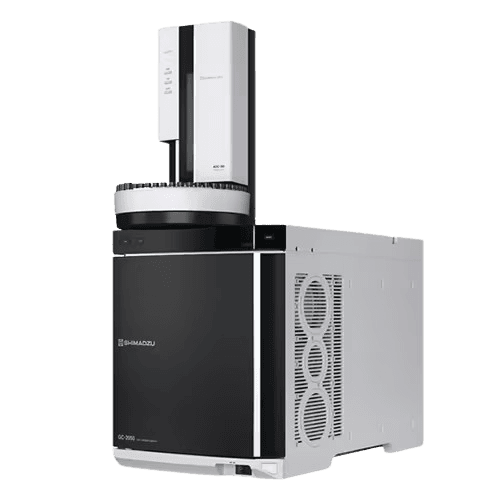
Gas Chromatograph with Autosampler
High-resolution capillary column analysis of volatile and semi-volatile pesticide technicals.
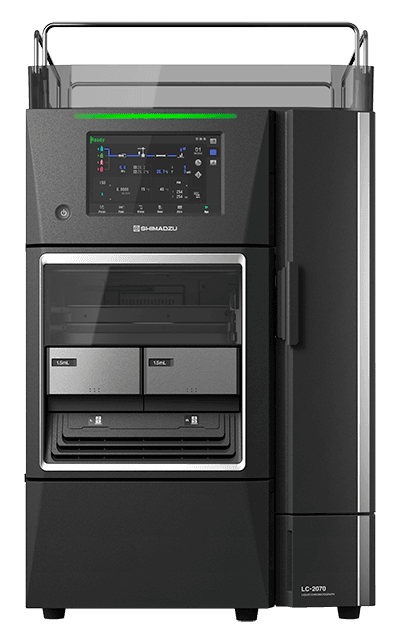
High-Performance Liquid Chromatograph
Separation and quantification of non-volatile and thermally labile active ingredients.
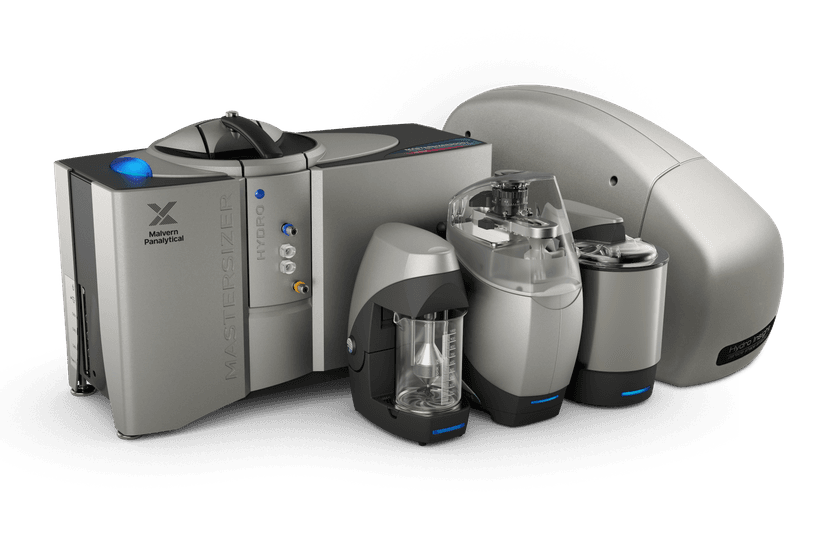
Laser Diffraction Particle Size Analyzer
Sub-micron suspension concentrate (SC) and wettable granule (WDG) dispersion measurement.
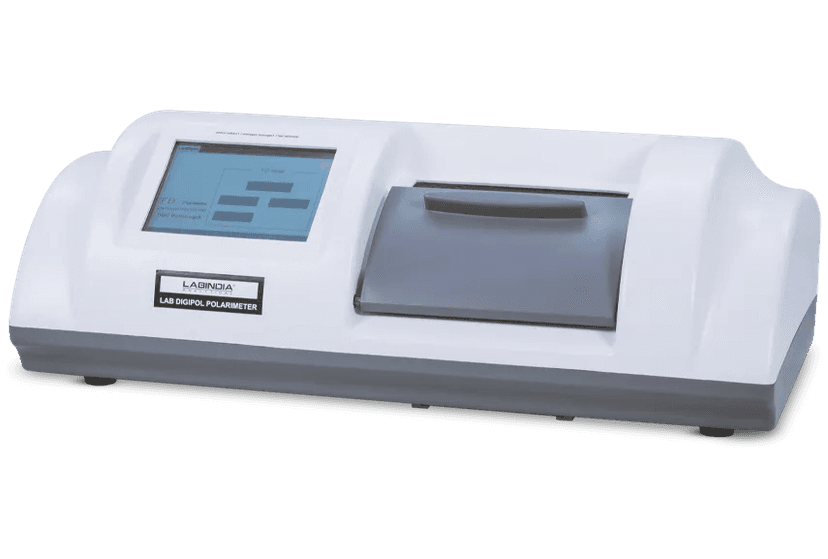
Walk-in Precision Environmental Chambers
Strict 54°C accelerated and 0°C low-temperature controlled conditioning per CIPAC protocols.
Regulatory Standards & Compendia
Authorized procedures matching national and international testing guidelines
Sample Submission Guidelines
Dispatch criteria ensuring analytical integrity upon receipt at Vapi lab
Technical & Regulatory Inquiries
Can Satvam Research support 5-batch analysis for agrochemical technical registration?
Yes. We support 5-batch characterization including active ingredient quantification, identification of manufacturing impurities at ≥ 0.1% w/w, and mass balance verification.
What is the importance of CIPAC MT 46.3 accelerated stability testing?
Heating a formulation at 54°C for 14 days simulates approximately 2 years of real-world ambient tropical warehouse storage, revealing potential precipitation, phase separation, or chemical decomposition.
Do you test bio-pesticides and botanical extracts?
Yes. We analyze botanical extracts (such as Azadirachtin in Neem oil formulations) and microbial biopesticide bio-burden parameters.
Initiate Your Pesticide & Agrochemical Testing
Contact our laboratory in Vapi to review testing protocol requirements, discuss sample collection, or request priority processing.