Medical Device Testing: Residual ETO & Safety Assessment
Ethylene oxide is a highly effective sterilant for medical devices, catheters, syringes, and surgical implants. However, residual ETO gas and its reaction products are toxic and mutagenic. Satvam Research quantifies residual traces through thermal extraction and headspace chromatography to ensure levels are well below permissible daily contact limits.
About Medical Device Safety Testing
Satvam Research provides residual ethylene oxide (ETO) testing and biocompatibility chemical characterization for sterilized medical devices and packaging. Utilizing Shimadzu headspace gas chromatography conforming to ISO 10993-7, we determine residual ETO and Ethylene Chlorohydrin (ECH) to guarantee patient safety prior to commercial distribution.
Key Capabilities & Parameters
Conducted strictly in accordance with official compendial monographs and validated study protocols
Qualified Instrumentation Deployed
21 CFR Part 11 compliant hardware configurations governed by full IQ/OQ/PQ qualifications
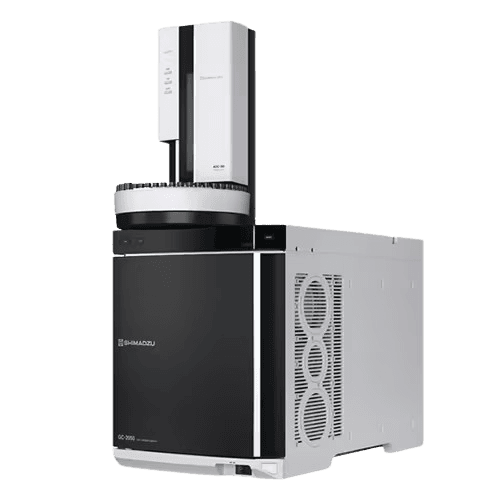
Headspace Gas Chromatography
Exhaustive and simulated-use extraction of volatile ethylene oxide and chlorohydrins.
Regulatory Framework & Standards
Testing protocols aligned with domestic and global health authority requirements
Sample Submission Guidelines
Dispatch specifications for guaranteed analytical integrity
Technical & Regulatory Inquiries
What is the allowable residual ETO limit under ISO 10993-7?
Limits depend on the category of device contact: limited exposure (≤ 24 hours: 4 mg ETO), prolonged exposure (1-30 days: 60 mg ETO), or permanent contact (> 30 days: 2.5 g lifetime limit).
Initiate Your Medical Device Safety Testing Testing
Contact our analytical laboratory in Vapi to review your protocol requirements, discuss sample shipping, or schedule a facility audit.